Knowledge
The Science of Preservation, Salt, Fat, and Time
An exploration of the timeless trio that shaped French gastronomy. How salt, fat, and time work together to preserve food and create flavor that deepens with age.

The wisdom behind simplicity
Long before modern refrigeration, French cooks had already mastered the art of preservation.
They discovered that flavor and safety could be achieved with only three elements: salt, fat, and time.
These humble tools did more than protect food.
They transformed it, deepening both taste and meaning.
Salt, the first guardian
Salt is the oldest form of preservation known to humanity.
It draws out moisture and prevents the growth of unwanted bacteria, allowing food to last for months.
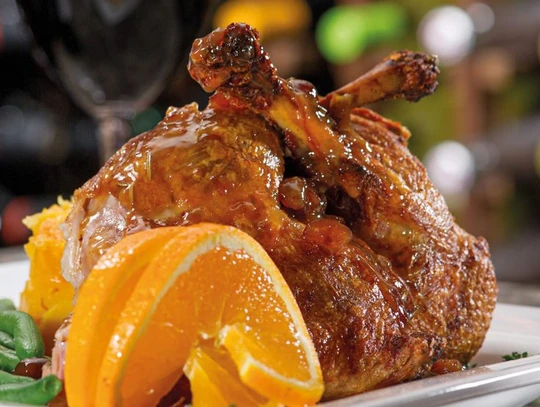
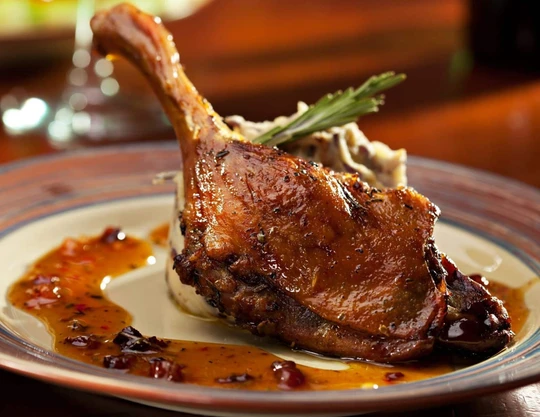
In Gascony, cooks used coarse sea salt to prepare duck legs before confit, creating an environment where nature’s own chemistry began to work.
The result is meat that remains tender, flavorful, and safe without artificial intervention.
Fat, the gentle protector
When salt has done its part, fat takes over.
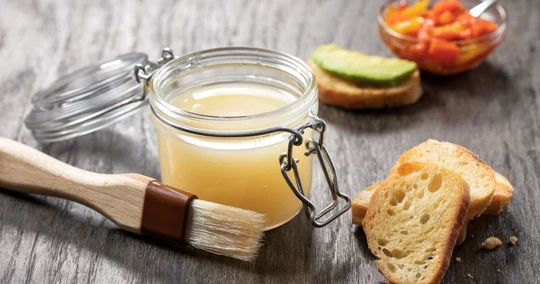
Duck fat envelops the meat, sealing it from air and light.
This layer forms a natural barrier that keeps bacteria away and allows flavors to develop slowly.
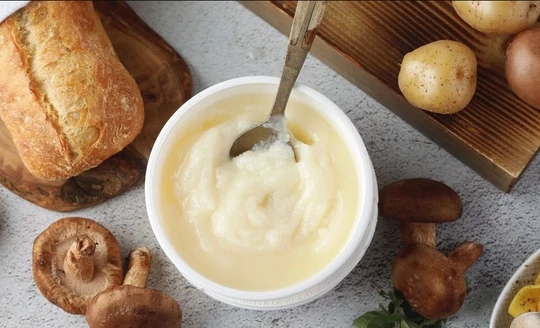
The same principle can be seen in rillettes or pâtés, where a fine surface of fat preserves texture and aroma.
It is preservation through tenderness rather than force.
Time, the final ingredient
True preservation depends on patience.
Time allows the salt and fat to balance, giving the confit its characteristic softness and complexity.
This slow transformation teaches a deeper lesson about care and trust.
Nothing is rushed, nothing is wasted.
Every moment spent waiting adds something intangible, depth, soul, and serenity.
The art of natural preservation today
At Maison Saint Léonard, we keep these principles alive.
Every confit, every jar of rillettes, follows the same rhythm that Gascon families once practiced in their kitchens.
We work without shortcuts, respecting the quiet science that nature offers.
Salt, fat, and time remain our most loyal collaborators.
A gift from tradition
It connects us to generations before us who cooked not for convenience but for meaning. It holds patience, care, and the enduring truth that the best things in life are those that take time.